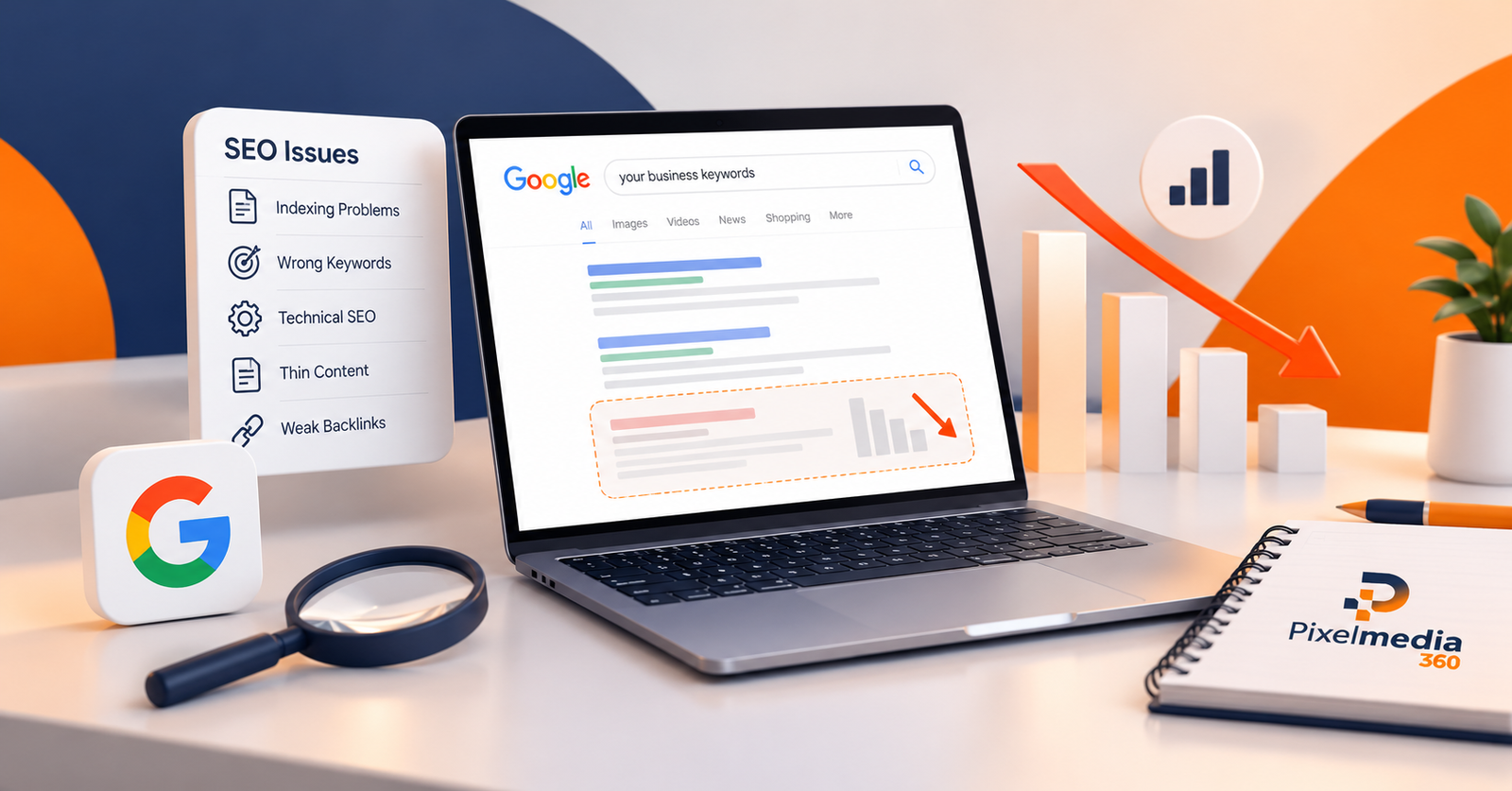
Running an SEO audit is one of the most effective ways to understand how well your website is performing in search engines and what needs improvement.
Whether you manage your own website or work with a SEO audit company, a clear audit helps you uncover technical issues, content gaps, and opportunities that can increase your visibility and traffic.
Many businesses rely on SEO audit services or even a complete technical SEO audit service to make sure their site meets modern search engine standards.
A professional audit provides a full picture of your website’s health, from technical performance to on-page optimization.
Even if you choose to run a SEO audit online, the goal remains the same: identify what’s working, fix what’s not, and create a roadmap for better results.
With a detailed SEO audit report, you can prioritize improvements and move toward stronger rankings, better user experience, and long-term growth.
Steps to Run an Effective SEO Audit
Step 1: Crawl Your Website.
The first step in any SEO audit is to run a complete crawl of your website. This helps you understand how search engines see your pages.
A crawl shows issues such as broken links, missing pages, duplicate content, and slow-loading URLs.
You can use tools like Screaming Frog, Ahrefs, or even a seo audit online tool to get a full picture of your site’s structure.
Many businesses also choose website SEO audit services or work with a SEO audit agency to make sure they don’t miss important errors. A proper crawl lays the foundation for the rest of your audit and helps create a clear SEO audit report for next steps.
Step 2: Check for Technical SEO Issues.
After crawling your site, the next step is to review technical performance. This is where a technical seo audit service or professional support from a seo audit company can be extremely helpful. Technical issues often affect rankings without being obvious to the user.
During this stage, check your site speed, Core Web Vitals, mobile friendliness, indexability, and security (HTTPS).
Make sure search engines can crawl and index your pages properly. If there are errors in your sitemap, robots.txt file, or page redirects, fix them right away. Strong technical health ensures search engines can reach and understand every important page on your website.
Step 3: Evaluate On-Page SEO.
Once the technical side is in good shape, it’s time to review on-page elements. This includes your titles, meta descriptions, headers, keywords, and overall content quality.
Good on-page SEO helps search engines understand your topic and gives visitors a better experience.
Check that each page has a clear title, organized headings, and useful content. Remove duplicate or thin content, and make sure your keywords appear naturally.
If you avail SEO audit services, they often highlight which pages need improvement and include recommendations in your SEO audit report.
Improving on-page SEO makes your content easier to read, more relevant to search queries, and more valuable for both users and search engines.
Step 4: Analyze Your Backlink Profile.
A strong backlink profile is an important part of any SEO audit because it shows how trustworthy and authoritative your website appears to search engines.
Review the quality of the websites linking to you, not just the number of links. Look for spammy or irrelevant backlinks that may harm your rankings.
Tools like Ahrefs, Moz, and Semrush help you see which sites link to your pages and whether those links add value.
If you are using SEO audit services or working with a SEO audit agency, they often include backlink analysis in your SEO audit report. The goal is to keep high-quality links, remove harmful ones, and identify new link-building opportunities.
Step 5: Review UX & Site Architecture.
User experience (UX) and site structure play a major role in how visitors interact with your website.
A clean, simple layout makes it easier for users to find what they need and easier for search engines to crawl your pages. Make sure your site loads quickly, looks good on mobile, and has clear navigation.
Check that important pages are not buried too deep and that your internal links help guide users from one page to another.
Many website audit services include UX checks to help identify problems that may reduce engagement or increase bounce rates. Good UX keeps users on your site longer and improves your overall SEO performance.
Step 6: Audit Your Local SEO.
If your business relies on local customers, local SEO is essential. Make sure your Google Business Profile is complete, updated, and accurate. Check your business name, address, and phone number across all online listings to ensure consistency.
Add local keywords to your pages and create content that targets your specific city or service area.
A professional SEO audit company or SEO audit service can also review your local citations, local backlinks, and online reviews to strengthen your presence in local search results.
Step 7: Review Analytics & Search Console Insights.
Analytics tools help you understand how users interact with your website. Google Analytics shows which pages perform well and which pages may need updates.
Google Search Console reveals how your site appears in search results and highlights issues that may hurt visibility.
Look for pages that are losing traffic, keywords with low click-through rates, and content that needs improvement. A good SEO audit report always includes these insights so you can make data-driven decisions.
Step 8: Prioritize and Create an Action Plan.
Once you have collected all your findings, organize them by priority. Focus first on issues that affect your rankings the most such as broken links, slow pages, and missing metadata. Next, update weak content, improve UX, and work on your backlink strategy.
If you are working with technical SEO audit services or an SEO audit agency, they will help you create a step-by-step plan based on your goals.
A clear action plan ensures you fix the most important issues first and continue improving your website over time.
Get Professional SEO Audit Services from Pixel Media
If you want a complete and reliable SEO audit, Pixel Media is here to help.
Our team offers expert SEO audit services, including technical reviews, on-page checks, backlink analysis, and a clear SEO audit report you can act on right away. Whether you need a full technical SEO audit service or support improving your website’s performance, we provide solutions that fit your goals.
Contact Pixel Media today to get a detailed, professional SEO audit and start improving your search rankings with confidence.
Conclusion
An effective SEO audit helps you understand your website’s strengths and weaknesses so you can make smart improvements.
By reviewing your technical setup, content quality, backlinks, user experience, and performance data, you can create a clear plan that leads to better visibility and stronger results.
Regular audits also help you stay ahead of competitors and maintain a healthy online presence. With the right approach and consistent updates, your website can continue to grow and perform better in search engines over time.
Frequently Asked Questions
To run an SEO audit, start by crawling your website to spot errors. Then check your technical setup, review your on-page SEO, analyze your backlinks, and study your analytics. Finally, list all issues and create an action plan to fix them.
An SEO audit is a full review of your website to see how well it performs in search engines. It helps you find technical problems, content issues, and opportunities to improve rankings and user experience.
You can check your SEO audit by using online tools or running a crawl. Look for errors such as broken links, slow pages, missing tags, weak content, and indexing problems. You can also hire a professional service to get a complete audit report.
Some of the best tools for an SEO audit include Screaming Frog, Ahrefs, Semrush, and Google Search Console. Each tool gives valuable insights, and using a combination usually provides the most accurate results.