
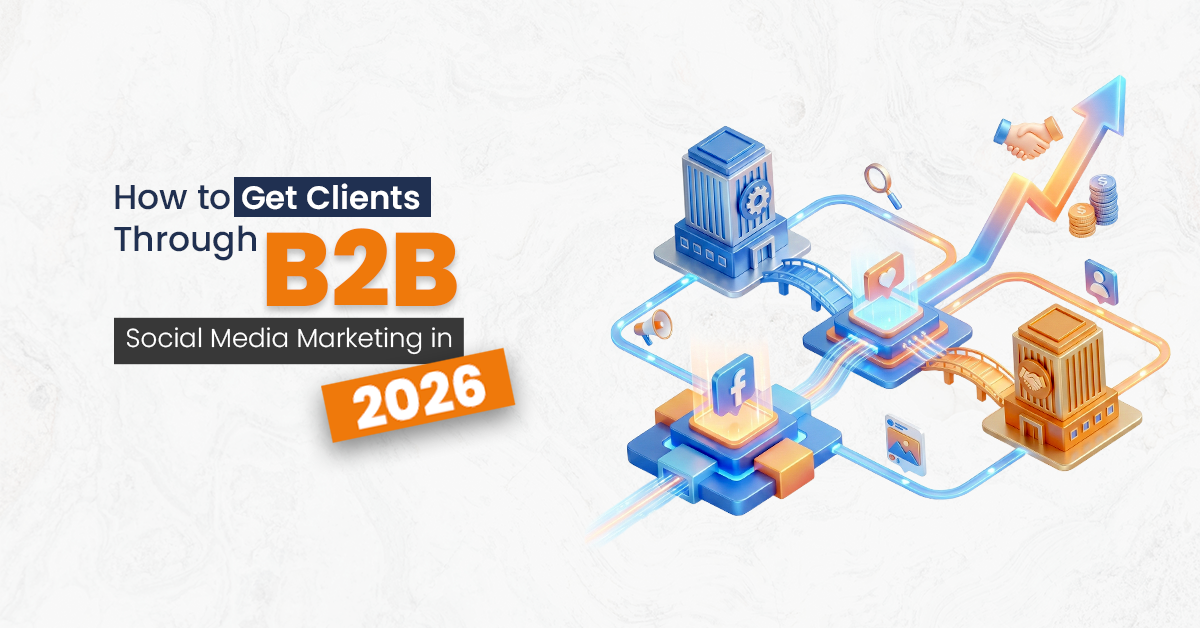
B2B social media marketing in 2026 is no longer about visibility or posting frequency.
Businesses that consistently win high-value clients focus on buyer intent and data-backed execution rather than generic engagement metrics.
This guide outlines practical, conversion-focused B2B social media strategies used by growth-driven companies, and how agencies like Pixel Media 360 execute them to attract qualified, revenue-ready clients.
Why B2B Social Media Marketing Matters in 2026?
B2B social media marketing helps businesses:
- Reach the audience actively researching solutions
- Build authority before the first sales conversation
- Reduce sales friction by pre-educating buyers
- Generate qualified inbound leads instead of low-intent prospects
For companies targeting long-term, high-ticket contracts, social media has become a primary acquisition channel, not a supporting tactic.
What Is B2B Social Media Marketing?
B2B social media marketing involves using platforms like LinkedIn, X (Twitter), and YouTube.
Unlike B2C marketing, B2B social media:
- Targets founders, CMOs, CTOs, procurement heads, and senior managers
- Focuses on risk reduction, ROI clarity, and strategic value
- Supports longer sales cycles with multiple stakeholders
- Relies heavily on proof, credibility, and execution confidence
The goal is not reach, it is relevant in front of buyers who can approve budgets.
1. Identify Platforms.
Focus on platforms where your target audience is active instead of being everywhere.
- LinkedIn: Primary platform for agencies, consultants, and B2B services.
- X (Twitter): Great for thought leadership and peer-level industry conversations.
- YouTube: Ideal for authority-building through in-depth explanations and strategic insights.
- Niche Industry Communities: Valuable for specialized B2B markets.
Benefit: Targeting the right platforms ensures higher lead quality and faster conversions.
2. Create Content That Solves One Business Problem.
Generic content may attract attention, but your audience engages only with solutions that address their specific problems.
High-performing content examples:
- Step-by-step guides to solve operational or growth challenges.
- Short case studies showing measurable before-and-after impact.
- Practical frameworks, SOPs, or checklists teams can implement immediately.
Outcome: Positions your brand as a strategic partner, not just a content publisher.
3. Build Authority Through Proof, Data, and Outcomes.
Senior buyers rely on evidence, not opinions.
Effective social proof includes:
- Client success stories with measurable KPIs.
- Performance benchmarks and improvement percentages.
- Funnel metrics, dashboards, or campaign insights.
- Testimonials tied to specific business results.
Tip: Back your content with real execution data to accelerate trust and credibility.
4. Use Lead Magnets Built for High-Intent Buyers.
Lead magnets should not attract low-quality downloads.
High-performing examples:
- Free audits or strategic assessments.
- Industry-specific templates and SOPs.
- Mini-reports addressing market shifts.
- Tools or calculators providing immediate business insight.
Goal: Align each asset with clear buying intent to qualify leads effectively.
5. Outreach Focused on Conversation Over Conversion.
Modern B2B outreach works best when relationship-building comes first.
Best practices:
- Engage with a prospect’s content before messaging.
- Reference specific challenges, posts, or business goals.
- Avoid pitching in the first interaction.
- Share insights, observations, or relevant resources.
Benefit: Builds trust before asking for a sale, aligning with modern B2B psychology.
6. Retarget Your Audience Strategically.
Most B2B buyers need multiple touchpoints before committing.
Use retargeting to:
- Re-engage visitors who explored service or pricing pages.
- Deliver industry-specific case studies.
- Reinforce credibility through proof-driven content.
Result: Keeps your brand top-of-mind during evaluation phases.
7. Track Buying Signals, Not Vanity Metrics.
Revenue comes from intent, not impressions.
Key buying signals include:
- Direct service-related inquiries.
- Repeat visits to conversion-focused pages.
- Downloads of audits or strategic resources.
- Engagement with solution-specific content.
Pro Tip: Track these signals to prioritize outreach, refine messaging, and improve ROI.
Why Choosing the Right B2B Social Media Marketing Agency Matters?
Strategy alone doesn’t win clients, execution does.
A results-focused B2B social media agency prioritizes:
- Targeting specific people, not broad audiences
- Aligning content with each stage of the buying journey
- Identifying intent signals and engagement patterns
- Optimizing campaigns based on performance data
Pixel Media 360 applies a structured, intent-driven framework designed to convert social engagement into measurable business growth, not surface-level visibility.
Conclusion
B2B social media marketing in 2026 is about precision, authority, and buyer intent.
Businesses that win high-value clients focus on:
- Relevance
- Proof-backed credibility
- Relationship-building over quick conversions
With the right structure and execution, social media becomes a reliable engine for trust, leads, and long-term revenue growth.
Grow Your High-Value Client Pipeline with Strategic B2B Social Media Marketing
Discover how Pixel Media 360 helps businesses generate qualified leads, and convert social engagement into long-term, high-value clients through intent-driven B2B social media strategies. Schedule a consultation now!
Frequently Asked Questions
B2B social media marketing involves using social platforms to promote products or services from one business to another by targeting the right audience.
Agencies, SaaS companies, consultants, manufacturers, and service-based organizations that sell to other businesses benefit most from structured B2B social strategies.
LinkedIn remains the most effective platform due to its professional audience, while X (Twitter) and YouTube support thought leadership and authority building.
Typically, businesses start seeing qualified engagement within 30–60 days, with consistent lead flow developing over 90 days, depending on strategy depth, targeting accuracy, and execution quality.